 EN
 ES
Nurse or Contractor? Gayle v. Harry's Nurses Registry, 1:07-cv-04672-NGG-MDG
News
A home-care nurse said she was owed overtime; her agency called her an independent contractor. This 2008 discovery letter in Gayle v. Harry's Nurses Registry (E.D.N.Y.) shows the arguments that later won: the Second Circuit held the nurses were employees in 2014, and the Supreme Court declined review in 2020.
A home-care nurse said she was owed overtime. Her agency said she was an independent contractor who wasn’t entitled to it. This April 2008 letter from the nurse’s lawyer shows the case at an early stage, when the two sides were arguing over what information each had to hand over. Six years later, a federal appeals court agreed with the nurses.
The Laws Involved
- 29 U.S.C. § 203: The Fair Labor Standards Act’s definitions of “employee” and “employer”
- 29 U.S.C. § 207: Employees must be paid 1.5 times their regular rate for hours over 40 a week
- 29 U.S.C. § 216(b): Lets workers sue for unpaid overtime plus an equal amount in “liquidated damages,” and lets similar workers join together in a collective action
- 29 U.S.C. § 215(a)(3): Makes it illegal to retaliate against a worker who complains about pay
The Case
Gayle v. Harry’s Nurses Registry, Inc. et al.
- Docket Number: 1:07-cv-04672-NGG-MDG (originally 07 Civ. 4672 (CPS)(KAM))
- Court: U.S. District Court, Eastern District of New York
- Filing Date: November 7, 2007
- Nature of Proceeding: A civil lawsuit for unpaid overtime under the Fair Labor Standards Act (FLSA)
- Filing Party: Claudia Gayle, a home-care nurse, on behalf of herself and other nurses
- Defendants: Harry’s Nurses Registry, Inc. (Jamaica, Queens) and its president, Harry Dorvilier
The document: A letter dated April 29, 2008, from the nurse’s lawyer to the agency’s lawyer, filed with the court on August 13, 2008 (Document 26-3). Attached is Gayle’s 2007 Form 1099-MISC, showing $44,148 paid to her as “nonemployee compensation.”
What the Letter Argues
1. Employee or contractor?- The test is the “economic realities” of the work, not what the parties intended or what is customary in the industry (Brock v. Superior Care; Reich v. SNET).
- Working other jobs doesn’t take away FLSA protection.
- FLSA rights can’t be waived, so it doesn’t matter that she never complained about being misclassified (Brooklyn Savings Bank v. O’Neil, 1945).
- The nurse refuses to answer questions about her immigration status.
- Undocumented workers can still recover back pay for work already done (Liu v. Donna Karan; Flores v. Amigon).
- Questions about immigration status can scare workers into dropping valid claims (Topo v. Dhir; Rengifo v. Erevos).
- The lawyer warns he’ll seek a protective order if the defense keeps asking.
- She won’t turn over her tax returns, because her income isn’t at issue.
- She will hand over her W-2s and résumé to avoid a court fight.
- The nurse will appear for her deposition, and her lawyer asks for dates to question the agency’s witnesses.
How the Case Ended
- 2012: Judge Garaufis ruled that the nurses were employees, certified the case as a collective action and granted summary judgment to the nurses on liability. The agency had earlier been sanctioned for failing to cooperate in discovery.
- 2014: The Second Circuit affirmed that the nurses were employees, not independent contractors (Gayle v. Harry’s Nurses Registry, 594 F. App’x 714).
- 2020: The agency asked the U.S. Supreme Court to review a later Second Circuit ruling (No. 19-1210). The Court denied review on May 26, 2020.
- Related case: In Isigi v. Dorvilier (2d Cir. 2019), another nurse used the Gayle ruling to establish her own overtime claim against the same agency.
The Judges
 Hon. Nicholas G. Garaufis (“NGG,” assigned district judge)
- Current Position: Senior U.S. District Judge, E.D.N.Y. (judge since 2000, senior since 2014)
- Born: 1948, Paterson, New Jersey
- Education: Columbia College (B.A., 1969); Columbia Law School (J.D., 1974)
- Prior Judicial Service: None
- Courthouse Location: 225 Cadman Plaza East, Brooklyn, NY 11201
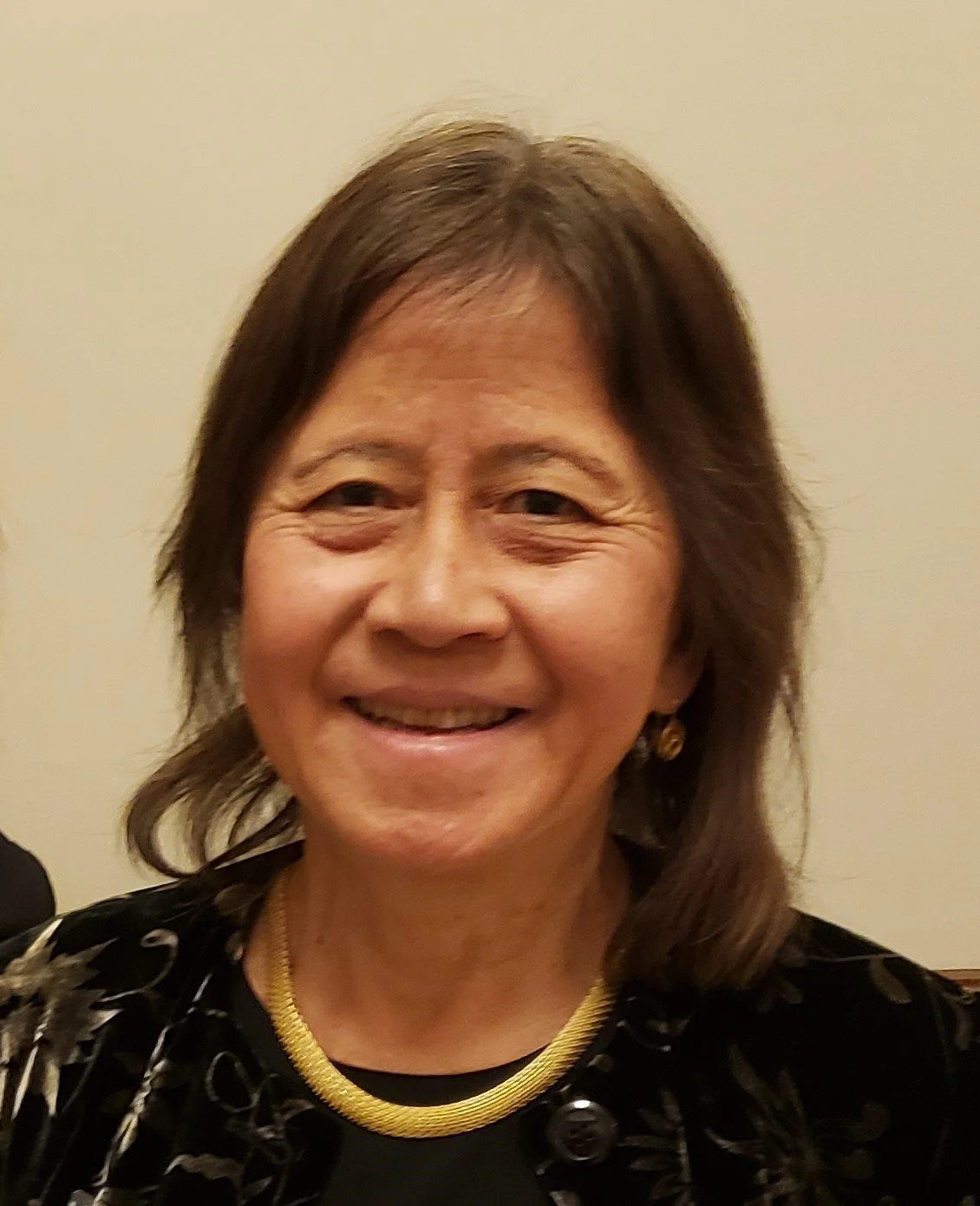 Hon. Marilyn D. Go (“MDG,” assigned magistrate judge)
- Current Position: Retired U.S. Magistrate Judge, E.D.N.Y. (served 1993–2019)
- Born: Not publicly listed
- Education: Radcliffe College (B.A., 1973); Harvard Law School (J.D., 1977)
- Prior Judicial Service: None (Assistant U.S. Attorney, E.D.N.Y., 1978–1982)
- Courthouse Location: 225 Cadman Plaza East, Brooklyn, NY 11201
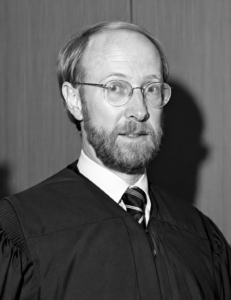 Hon. Charles P. Sifton (“CPS,” original district judge)
- Position: U.S. District Judge, E.D.N.Y. (1977–2009; chief judge 1995–2000; senior status from 2000)
- Born: 1935, New York, NY; died 2009, Brooklyn, NY
- Education: Harvard College (B.A., 1957); Columbia Law School (LL.B., 1961)
- Prior Judicial Service: None
- Courthouse Location: 225 Cadman Plaza East, Brooklyn, NY 11201
 Hon. Kiyo A. Matsumoto (“KAM,” original magistrate judge)
- Current Position: Senior U.S. District Judge, E.D.N.Y. (district judge since 2008, senior since 2022)
- Born: 1955, Raleigh, North Carolina
- Education: University of California, Berkeley (B.A., 1976); Georgetown University Law Center (J.D., 1981)
- Prior Judicial Service: U.S. Magistrate Judge, E.D.N.Y. (2004–2008)
- Courthouse Location: 225 Cadman Plaza East, Brooklyn, NY 11201
The Attorneys
Jonathan A. Bernstein (for the nurse)- Firm then: Levy Davis & Maher, LLP, New York
- Firm now: Meenan & Associates, LLC, New York
- Practice: Employment law and civil rights
- Education: University of Texas at Austin (B.A., 1982); CUNY School of Law (J.D., 1997)
- Represented the nurses from this 2008 letter through the Supreme Court stage in 2020
- Firm then: Dealy & Silberstein, LLP, New York
At a Glance
| Item | Detail |
|---|---|
| Case | Gayle v. Harry’s Nurses Registry, Inc., 1:07-cv-04672-NGG-MDG |
| Court | E.D.N.Y. |
| Law | Fair Labor Standards Act (29 U.S.C.) |
| Issue | Employee or independent contractor |
| Result | Nurses held to be employees (2012), affirmed (2014), Supreme Court review denied (2020) |
| Judges | Garaufis, Go, Sifton, Matsumoto |
Conclusion
- What a worker is called isn’t what decides it. Courts look at the economic reality of the work, not the label or the tax form.
- FLSA rights can’t be signed away, and staying silent about misclassification doesn’t waive them.
- Immigration status is usually off-limits in wage cases about work already performed.
- Early discovery fights can shape a whole case. The positions set out in this 2008 letter are the ones the courts adopted.
Sources: FJC: Nicholas G. Garaufis; FJC: Charles P. Sifton; FJC: Kiyo A. Matsumoto; Ballotpedia: Marilyn Go; Supreme Court docket No. 19-1210; FindLaw: Isigi v. Dorvilier (2d Cir. 2019)
PDF / Legal Documents
Related Posts